News + Insights from the Legal Team at Zalkind Duncan & Bernstein

Articles Posted in Student Rights & Title IX

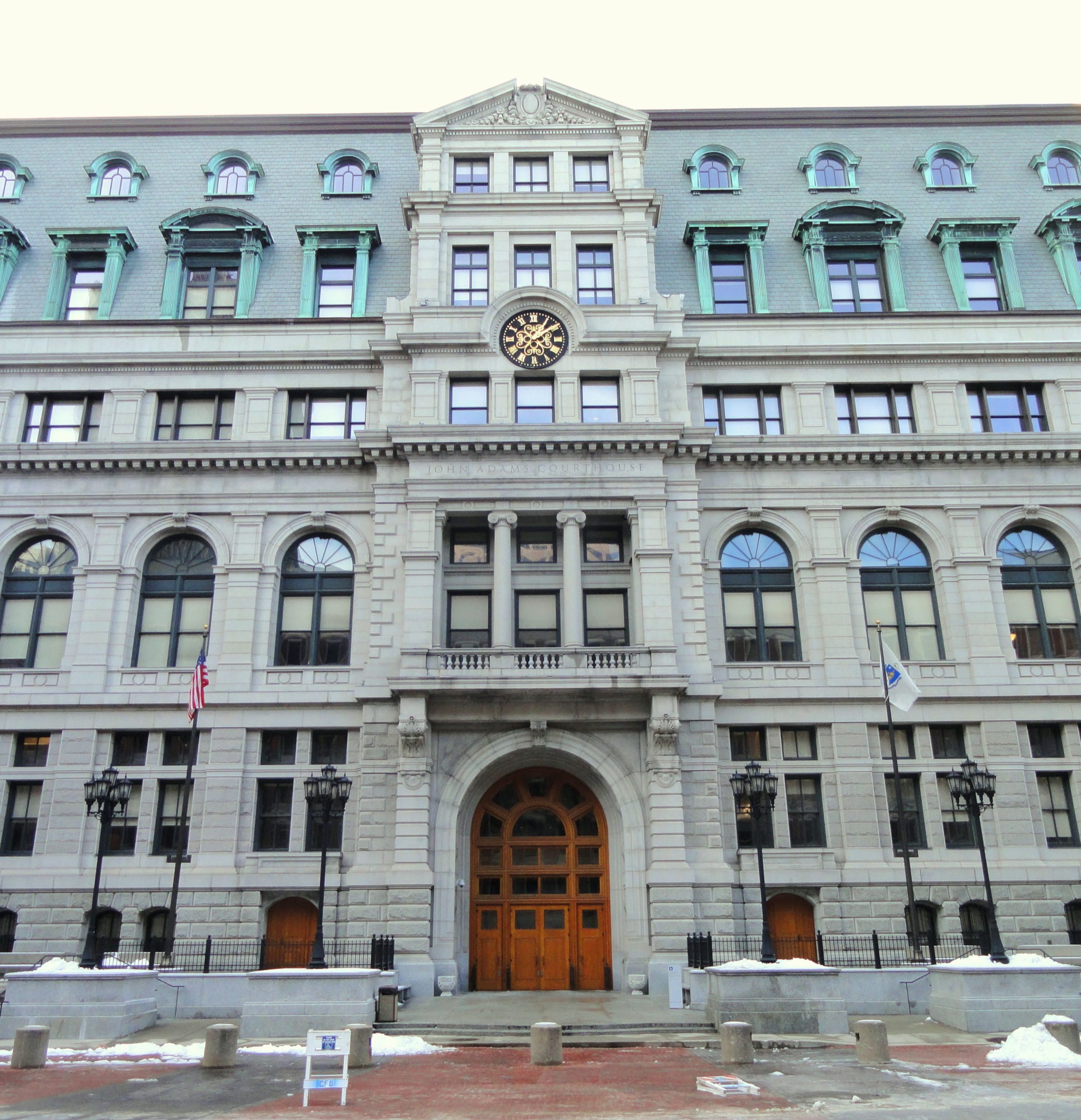
Photo of the John Adams CourthouseIn a decision issued this week, the Massachusetts Supreme Judicial Court (SJC) held that victims of sexual harassment in academic settings may sue individual harassers directly under G.L. c. 214, § 1C—the state’s sexual harassment statute. The ruling reverses a lower court decision that had dismissed a sexual harassment claim filed by Dr. Kristin Knouse against her former instructor, dissertation committee member, and fellowship director, Dr. David Sabatini. The new ruling clarifies that students and trainees have a statutory right to be free from sexual harassment during their education and may sue individual teachers, faculty, staff, or other students to enforce that right. Naomi Shatz and I filed an amicus brief in the case on behalf of Jane Doe Inc., the Victim Rights Law Center, the Women’s Bar Association of Massachusetts, and the Massachusetts Employment Lawyers Association, urging the SJC to find that the statute allows for suits against individuals.  

Background  

The underlying dispute arose between Sabatini, a prominent biologist formerly at the Whitehead Institute and MIT, and Knouse, a former graduate student at MIT and later a Whitehead Fellow. Knouse alleged in internal reports to Whitehead that Sabatini engaged in sexualized comments while he was her instructor and a member of her dissertation committee, that they later had a sexual relationship while he had power over her career, and that Sabatini’s inappropriate conduct continued even after the relationship ended. An internal survey and independent investigation found that engaging in sexual discussions was a requirement for success in Sabatini’s lab and that the lab was dominated by a “culture of fear and retaliation.” When the independent investigation found violations of Whitehead’s sexual harassment policy, Sabatini separated from both Whitehead and MIT. 

somesh-kesarla-suresh-hWqrI3CyPuM-unsplash-scaledpreviously discussed how some universities entered into agreements with the federal government to end civil rights investigations around topics such as antisemitism, transgender rights, DEI initiatives, and student protest. Other schools chose to bring legal challenges to the administration’s efforts to withhold funds to enforce their policy positions and have been prevailing in court. 

Ongoing Legal Battles 

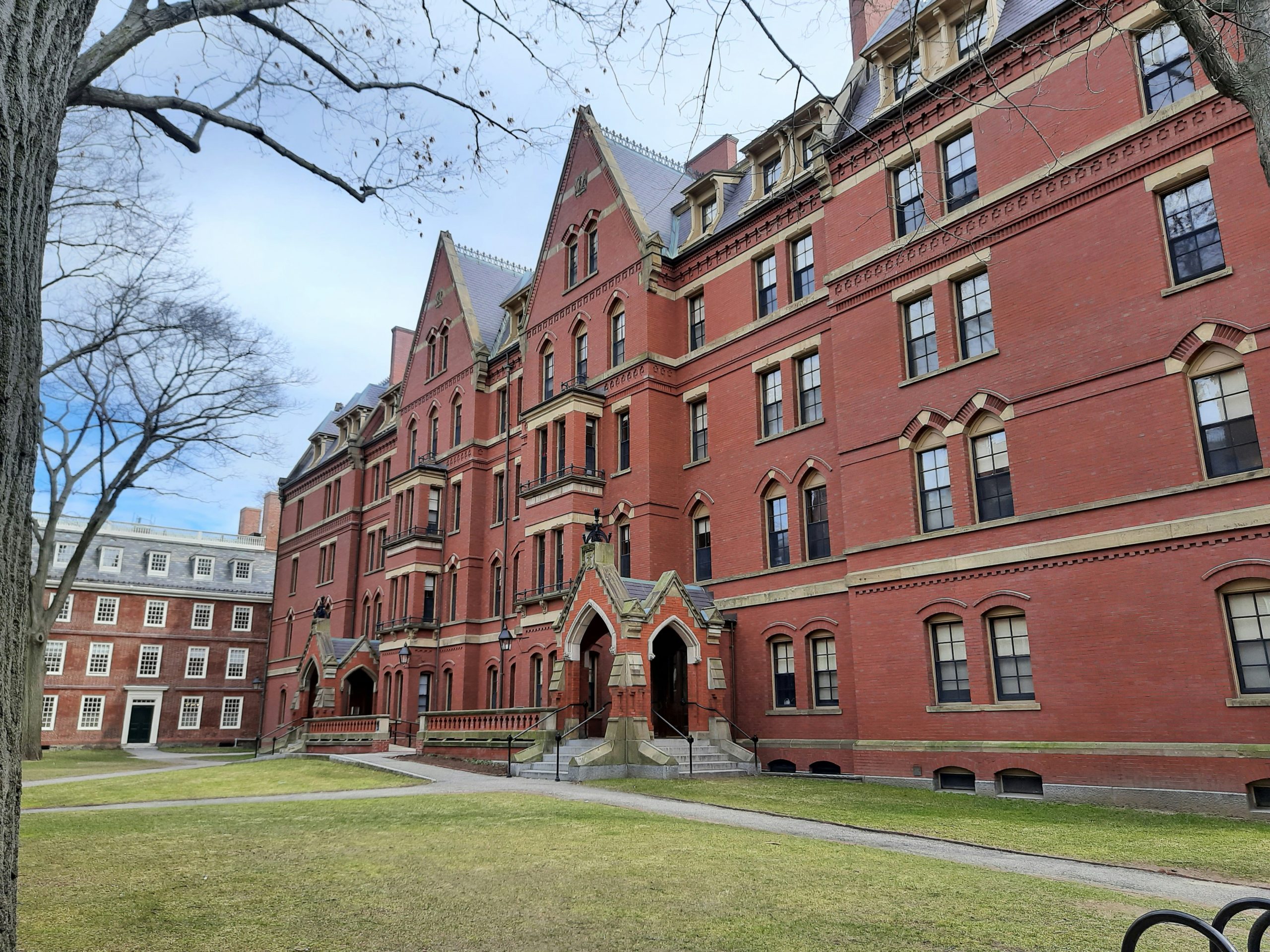
Though their legal battle is far from complete, Harvard University has found the most success in suing the Trump administration to restore funding. In April 2025, Harvard, and unions representing Harvard faculty and graduate workers, sued the administration for cutting $2.2. billion in funding to the university and its affiliated hospitals that month. The administration argued that these cuts were justified under Title VI because Harvard had supposedly failed to respond appropriately to antisemitism on campus. In September 2025, a federal judge found that these cuts were illegal because, among other issues, the administration did not follow the proper procedure for withdrawing federal grants under Title VI. While this decision restored the flow of federal funding to Harvard for now, the administration has appealed the decision—leaving open the possibility of a reinstatement of the devastating cuts. UCLA won a similar victory last fall when a judge blocked the administration’s proposed funding freeze to that university based on its alleged concerns around antisemitism, transgender athletes, and DEI initiatives. While the administration initially appealed that decision, it dropped the appeal last month. 

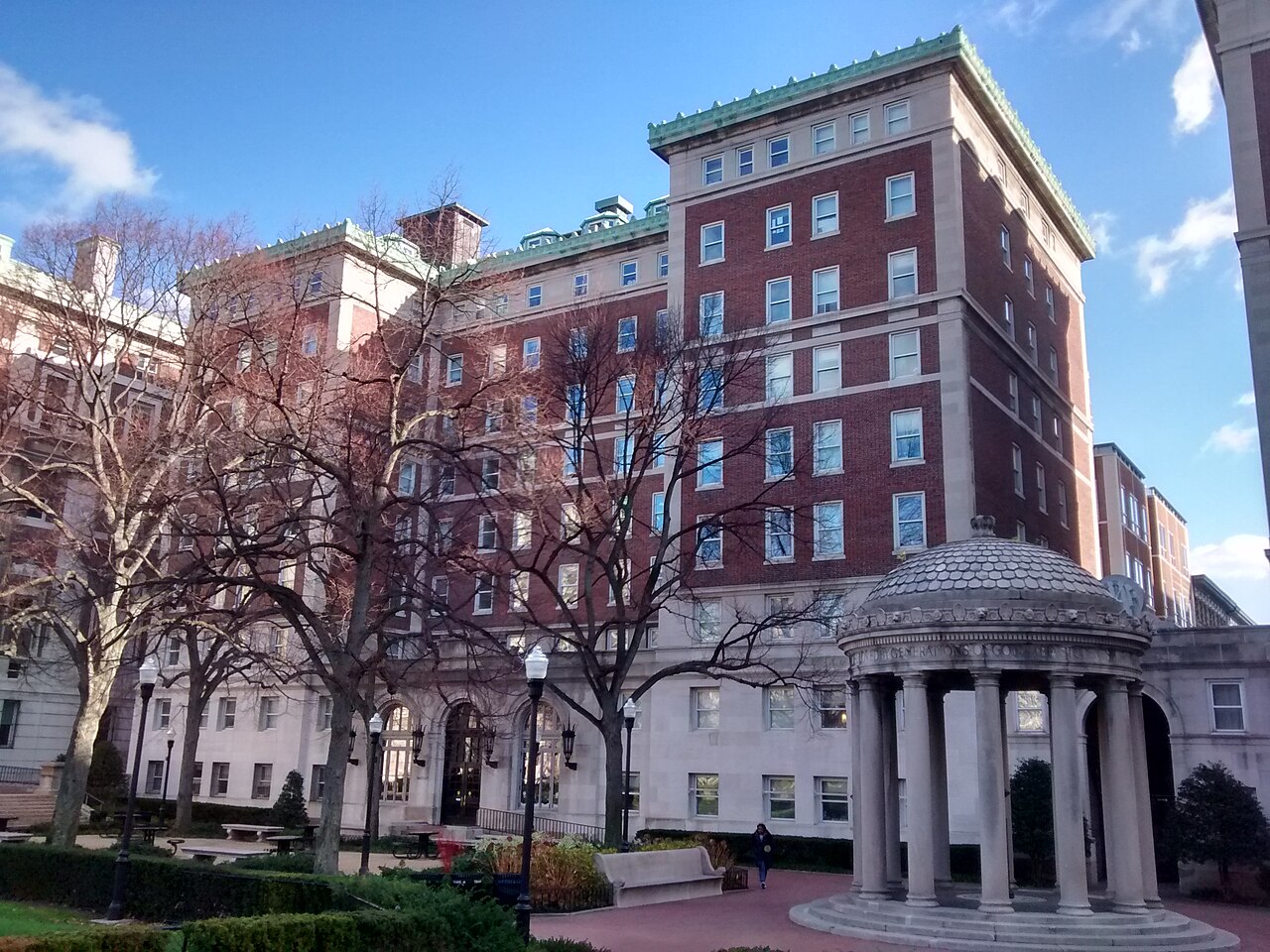
Hartley Hall at Columbia UniversitySince taking office, the Trump administration has overhauled enforcement of federal anti-discrimination laws on college campuses, particularly the laws that prohibit discrimination on the bases of race and sex. Now, less than one year later, six leading universities—the University of Pennsylvania, Columbia University, Brown University, the University of Virginia, Cornell University, and Northwestern University—have signed deals with the Trump administration. The focus of these deals on specific forms of supposed discrimination occurring on campus—namely antisemitism, “DEI” initiatives, and gender inclusivity in university facilities and athletic programs—illustrate the Trump administration’s enforcement priorities at higher education institutions.   

CONTINUE READING ›

Group of young people at a tableWhere is the line between free speech and sexual harassment? Students at public schools have both the right to free speech and expression, and the right to educational environments free of discrimination and harassment. At times, these rights can seem to run headlong into each other. When one student says something derogatory or offensive to another student, whose rights prevail?

Recently the First Circuit has been developing its jurisprudence in this thorny area. Last summer the Court held that a middle school could restrict a student’s expressive activity that demeaned and offended other students—in that case, wearing a shirt that said “There are Only Two Genders.” Then last month in Doe v. University of Massachusetts et al., the Court held that a college student who made a few comments that touch on sexual topics directed at different students, coupled with some non-sexual physical acts, was engaged in constitutionally-protected expression. These two cases have started to illustrate where the boundaries of protected student speech lie.

CONTINUE READING ›

Picture of a hand holding a pen, over a book and paperIf you or your child is accused of engaging in academic misconduct, you’ll get a crash course in how the college or university bureaucracy works to process these cases and sanction students. Before that happens–and to prevent that from happening–it is important to understand a few key points about academic misconduct in higher education.

Lesson #1: Read the handbook and syllabi

Students (and schools) are required to follow the handbooks, policies, and syllabi they receive. While sitting down to pore over hundreds of pages of regulations is no one’s idea of a fun way to start the year, students are expected to know what is in these documents, and will be sanctioned if they violate the rules they set out. It is particularly important for students to read their professor’s syllabi carefully, because each professor may have different rules about what kind of work is and is not acceptable in their class. It is the student’s responsibility to know the rules for each class they are in, and to follow those rules.

Lesson #2: Academic misconduct is a broad category

In a previous post I explained how colleges define plagiarism, probably the most common form of academic misconduct. Colleges will sanction students for plagiarism if the student intentionally or accidentally copies, quotes without proper attribution, or incorporates language or ideas from some other person into their work. Colleges also deem it plagiarism if students work together on an assignment but do not list their co-collaborators on the work they turn in.

Unauthorized use of AI is another area where students are increasingly being disciplined for academic misconduct. Each school, and each professor, may have different rules about whether and how students can use AI platforms like ChatGPT, Claude, Gemini, Grammarly, and CoPilot. When students are allowed to use these tools, they may be required to disclose that use. Some professors may prohibit their use altogether.

CONTINUE READING ›

pexels-pavel-danilyuk-8423089-scaled

This week, the Appeals Court decided a case examining how students can bring claims under Chapter 151C, the Fair Educational Practices law.  

In Doe 99 v. Cheffi et al., a former public high school student who alleged she had been sexually abused by a teacher sued the City of Chelsea and others for negligence and under Chapter 151C, which prohibits educational institutions from harassing students. The City moved to dismiss the Chapter 151C claim, arguing that the plaintiff was required to file her complaint with the Massachusetts Commission Against Discrimination (MCAD) before she could bring her claim in court. 

CONTINUE READING ›

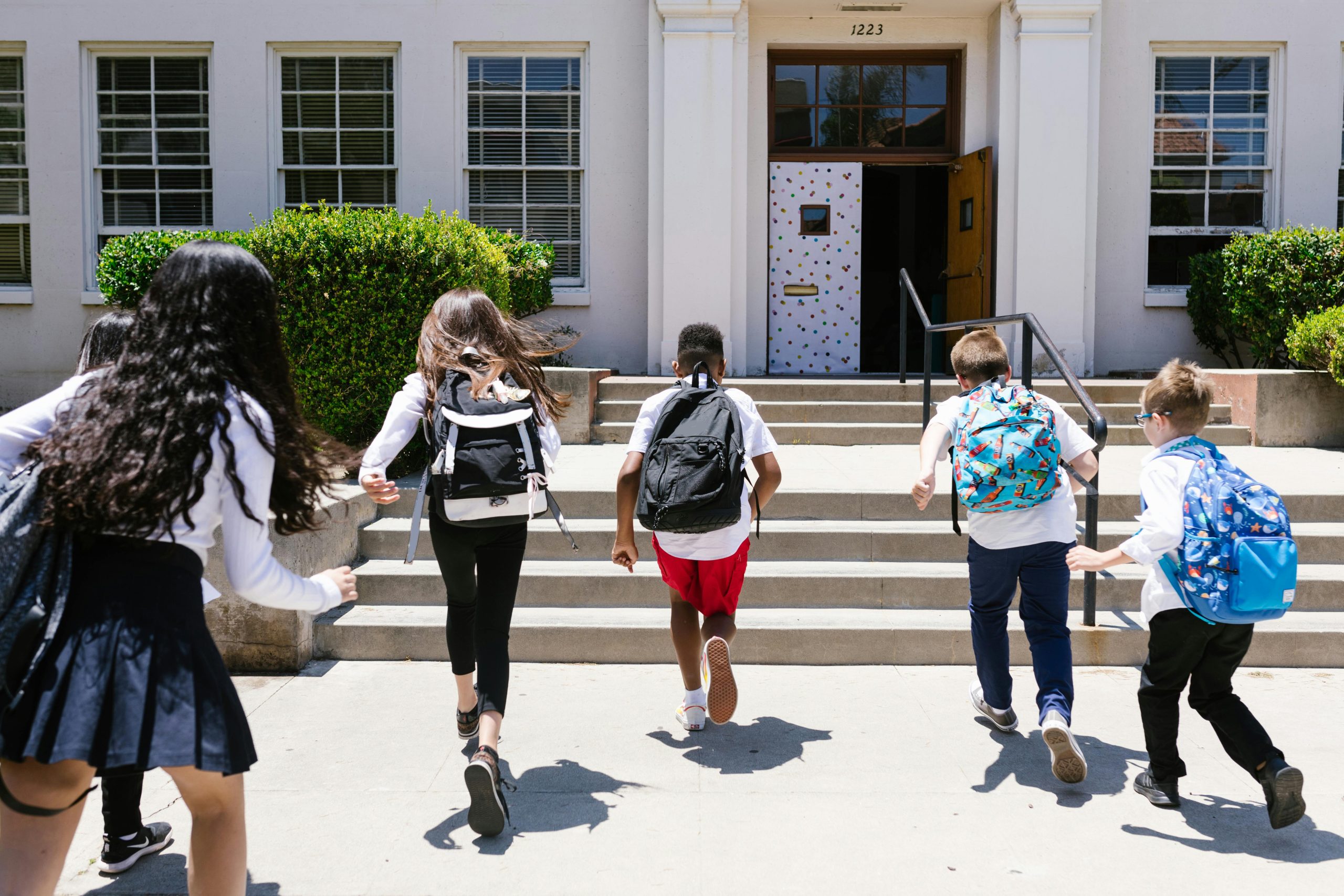
Students wearing backpacks running toward the front door of the schoolSince 2012, Massachusetts laws have prohibited discrimination based on gender identity, including in education. The Massachusetts Department of Education has had longstanding guidance in place instructing schools to use students’ preferred names and pronouns while at school. This week, in Foote v. Ludlow School Committee, the First Circuit Court of Appeals decided whether a school policy that followed this state law and DOE guidance violates parents’ constitutional right to direct the upbringing of their child. The school won. CONTINUE READING ›

Girl playing tennisYouth sports are a huge part of the American education system, something many parents, schools, and communities place a high value on maintaining. Studies demonstrate the many mental, social, emotional, and physical benefits children derive from participating in organized athletics. In fact, during Trump’s previous presidency the President’s Council on Sports, Fitness, and Nutrition Science Board published a pamphlet noting that “Research shows that participating in youth sports can lead to immediate and long-term benefits for youth, their families, and communities.” By executive order and federal agency guidance, President Trump is now trying to deny those benefits to trans girls and women who want to participate in sports with the rest of their peers. The Massachusetts Declaration of Rights, Title IX, and Massachusetts anti-discrimination statutes prohibit schools, colleges, universities, and athletic organizations from following the new executive order. CONTINUE READING ›

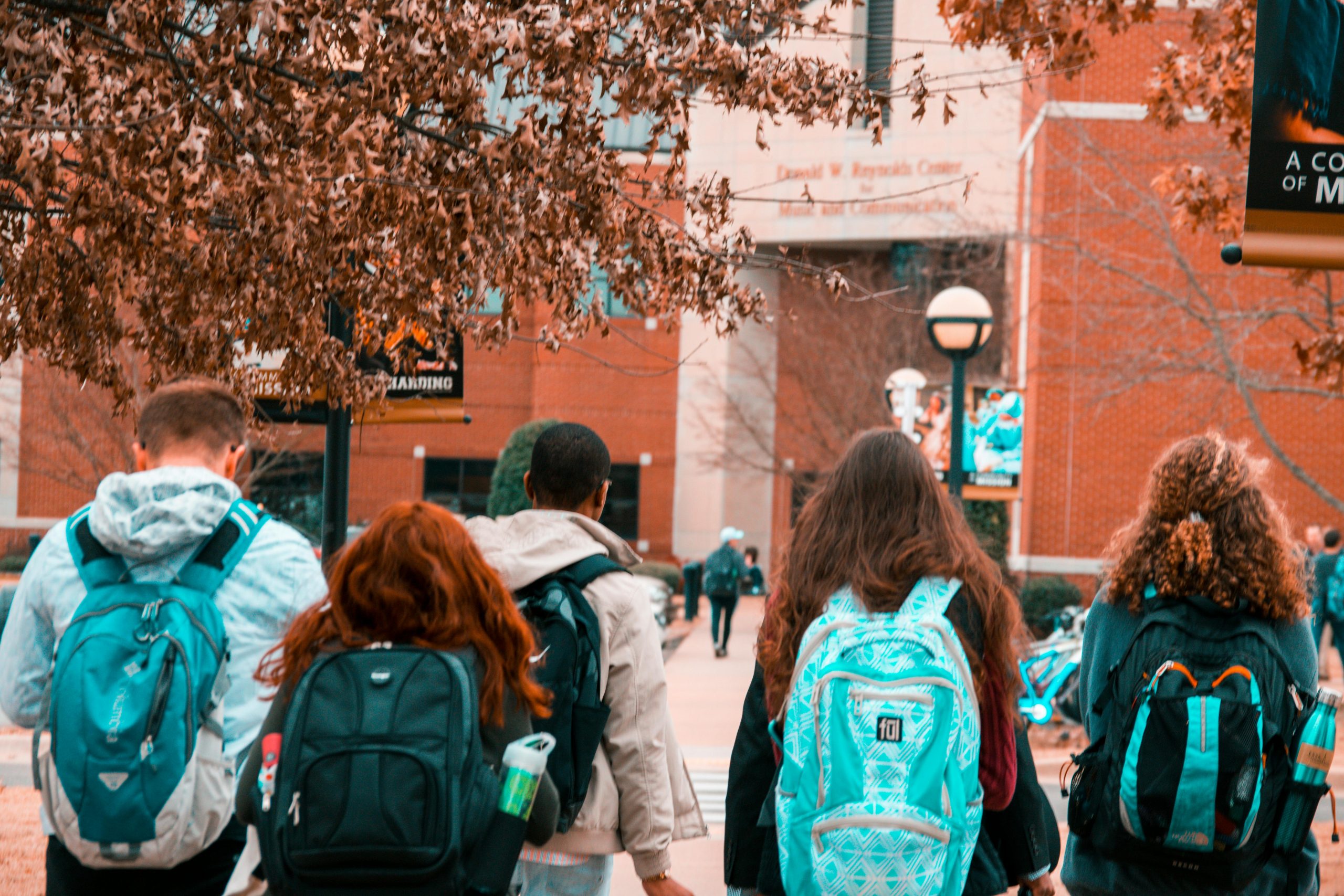
Students wearing backpacks walking toward a building on college campus

In the last month, actions by the courts, the President, and Congress have significantly impacted and may further change how Title IX is enforced across the country.

Title IX: Background and Enforcement

Title IX is a federal law prohibiting sex discrimination in education. It is one of the shortest laws on the books, with the operative provision stating: “No person in the United States shall, on the basis of sex, be excluded from participation in, be denied the benefits of, or be subjected to discrimination under any education program or activity receiving Federal financial assistance.” Laws like this can be enforced in two ways: through the courts and through administrative agencies. Individuals have a right to bring lawsuits under Title IX in court, where it is the job of the court to interpret what the law means. In addition, federal agencies has enforcement powers to investigate and address violations of federal law. For Title IX, that agency enforcement power rests with the U.S. Department of Education and the U.S. Department of Justice. People whose right to be free from discrimination in education have been violated can file complaints with those agencies, which can then investigate the educational institutions and impose corrective action, including the withholding of federal funds. The U.S. Department of Education issues regulations interpreting the laws it enforces and explaining how it will apply those laws when it engages in enforcement action. In 2020 the first Trump administration issued regulations overhauling Title IX enforcement; in 2024 the Biden administration issued a new set of regulations that was immediately challenged in federal courts in various red states. CONTINUE READING ›

pexels-george-pak-7972518-scaledThe Biden administration’s new Title IX regulations were scheduled to go into force on August 1 of this year, but have already come under legal attack. We’ve previously covered two successful legal challenges that enjoined the enforcement of the new regulations in certain states. This week, however, other opponents of the regulations—including the states of Alabama, Florida, Georgia, and South Caroline, joined by several private advocacy groups—encountered a setback when a federal judge in the Northern District of Alabama (appointed by President Trump) denied their request for a preliminary injunction. The next day, another Trump-appointed federal district judge in Oklahoma granted a preliminary injunction in a challenge brought by that state.  CONTINUE READING ›

Justia Lawyer Rating
Super Lawyers
Martindale-Hubbell
Best Lawyers
Best Law Firms
Chambers Spotlight MA 2026
Contact Information