 Boston Lawyer Blog
Leading universities ink deals with the Trump administration


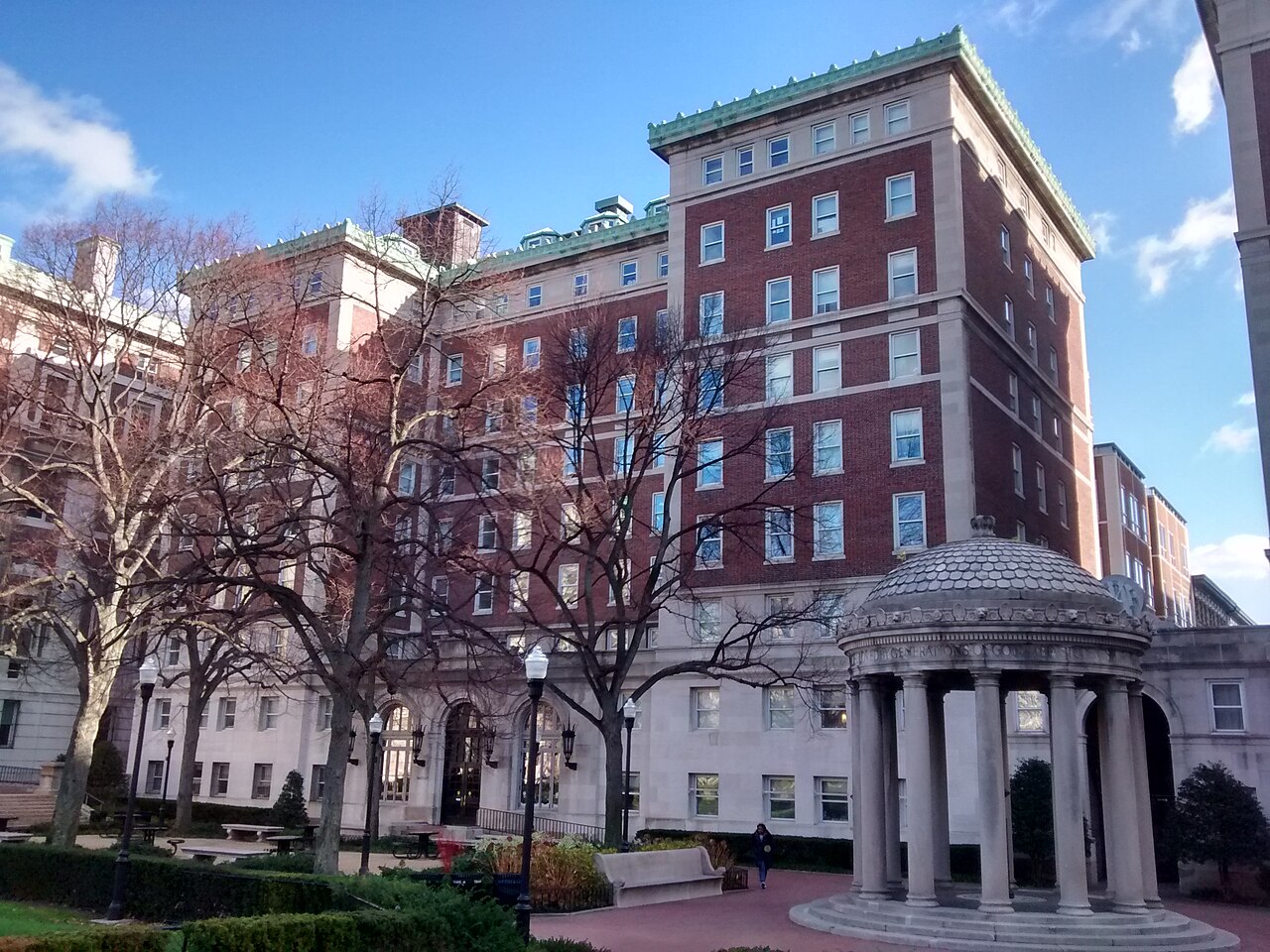 Since taking office, the Trump administration has overhauled enforcement of federal anti-discrimination laws on college campuses, particularly the laws that prohibit discrimination on the bases of race and sex. Now, less than one year later, six leading universities—the University of Pennsylvania, Columbia University, Brown University, the University of Virginia, Cornell University, and Northwestern University—have signed deals with the Trump administration. The focus of these deals on specific forms of supposed discrimination occurring on campus—namely antisemitism, “DEI” initiatives, and gender inclusivity in university facilities and athletic programs—illustrate the Trump administration’s enforcement priorities at higher education institutions.
Legal Background
Title VI and Title IX prohibit discrimination in programs that receive federal funding. These laws apply to almost all colleges and universities, both public and private. Both laws are among the shortest on the books.
Title VI states, “No person in the United States shall, on the ground of race, color, or national origin, be excluded from participation in, be denied the benefits of, or be subjected to discrimination under any program or activity receiving Federal financial assistance.”
Title IX states, “No person in the United States shall, on the basis of sex, be excluded from participation in, be denied the benefits of, or be subjected to discrimination under any education program or activity receiving Federal financial assistance.” For more background on the changes the Trump administration has made to enforcement of Title IX, click here.
Title VI and Title IX can be enforced in two ways: through the courts and through administrative agencies. Individuals have a right to bring lawsuits in court to enforce their rights, where a judge and jury will interpret what the laws mean and decide whether they were violated. In addition, federal agencies have enforcement powers to investigate and address violations of Title VI and Title IX. That agency enforcement power rests with the U.S. Department of Education and the U.S. Department of Justice. People whose right to be free from discrimination in education have been violated can file complaints with those agencies, which can then investigate the educational institutions and impose corrective action, such as the withholding of federal funds.
What exactly are these deals between the administration and higher education institutions?
The purpose of the deals is to settle federal investigations against these universities for alleged violations of Title VI and Title IX. The Trump administration has been using such investigations to justify freezing the flow of federal funding—a devastating blow to university balance sheets. As Brown President Christina H. Paxson stated after signing a deal, “A federal funding freeze that began in April posed enormous challenges for Brown’s research mission and financial sustainability, and if left unaddressed, would have undermined our ability to conduct life-saving research and to offer our students a world-class education.”
How do these deals impact students?
Though each of the six deals have terms unique to each university, there are four themes that demonstrate how life and work on campus may shift because of these deals:
A focus on antisemitism on campus:
Four of the five public deals (Penn’s is not public) contain provisions related to enhancing enforcement against antisemitism on campus. Brown, Cornell, and Northwestern each agreed to conduct a survey “to evaluate the campus climate” with a focus on Jewish students. These universities will ask students whether they feel safe reporting antisemitism on campus and whether they feel their school has responded appropriately to allegations of antisemitic conduct. Northwestern and Brown are subject to further requirements under their deals, such as maintaining advisory councils for Jewish life, providing enhanced security for Jewish student events, and engaging in other community-oriented outreach to Jewish stakeholders.
Columbia, a university where pro-Palestinian student protests in spring 2024 received national attention and the ire of President Trump, is now subject to a host of additional conditions regarding antisemitism. These conditions include a “thorough review” of all academic programs relating to the Middle East to ensure that educational offerings are “comprehensive and balanced,” a slate of new faculty members with positions in the Institute for Israel and Jewish Studies, and a new administrator dedicated to serving as a liaison to Jewish students.
A campaign to police trans women on campus:
All five of the public deals contain provisions restricting trans women from accessing campus resources and facilities according to their gender identity. Each of the public deals require the schools to segregate women’s sports teams, locker rooms, and showering facilities according to biological sex, not gender identity, effectively banning trans women from those programs and facilities. Four schools—Brown, Virginia, Cornell, and Northwestern—take this ban a step further in agreeing to provisions that either explicitly, or in effect, bar trans women from accessing all bathroom facilities designated for women. Penn’s deal, though not public, may contain the strongest language against the presence of trans women on campus, with a particular focus on trans student athletes. Shortly after inking the deal, the university released a statement, which states that the university will comply with two executive orders titled, “Defending Women From Gender Ideology Extremism and Restoring Biological Truth to the Federal Government” and “Keeping Men Out of Women’s Sports.” Furthermore, the university sent “personalized” apology letters to its female swimmers aggrieved by Lia Thomas’—a trans woman—participation on the women’s swim team. The university also stripped Thomas of all the records and honors she earned as a member of the women’s swim team.
A reversal of many pro-diversity initiatives in admissions and hiring:
Columbia, Brown, and Northwestern each agreed to “maintain merit-based admissions policies.” In doing so, the universities removed any sections from their applications that would be perceived by the Trump administration as proxies to preference applicants based on race or national origin, such as diversity statements.
Three schools, Virginia, Cornell, and Northwestern, adopted a Department of Justice guidance titled, “Guidance for Recipients of Federal Funding Regarding Unlawful Discrimination,” which takes aim at pro-diversity initiatives in the workplace context. Specifically, the guidance describes various affirmative action programs as illegal, including race-based trainings, race-dedicated lounges and spaces, sex-based selection for contracts, and race and sex-based quotas for program participation.
An attack on student expression:
Two agreements—Columbia and Northwestern—contain language curtailing campus protests. Columbia’s agreement requires the university to prohibit protest activities in academic buildings, prohibit the use of masks for concealing one’s identity, and require all individuals at protests to present university identification upon request. Northwestern’s agreement requires the school to renege on the 2024 “Deering Meadow Agreement,” in which the university agreed, among other items, to establish formal lines of communication between the student body and the administration regarding the university’s investment holdings and to fund a minimum number of Palestinian faculty and undergraduate students on campus.
As we have previously noted, the administration’s interpretation of the law is not always consistent with how courts have interpreted the law. Students whose schools have entered into agreements with the federal government retain their legal rights under state and federal law, and may be able to challenge new university policies that violate those rights.
If you or someone you know is facing discrimination or harassment at school or is involved in a Title IX or discrimination proceeding, fill out our online intake form or call us at (617) 742-6020 to be connected with one of our lawyers.
* Our blogs are written by the firm’s attorneys, without the use of AI or ghostwriters



